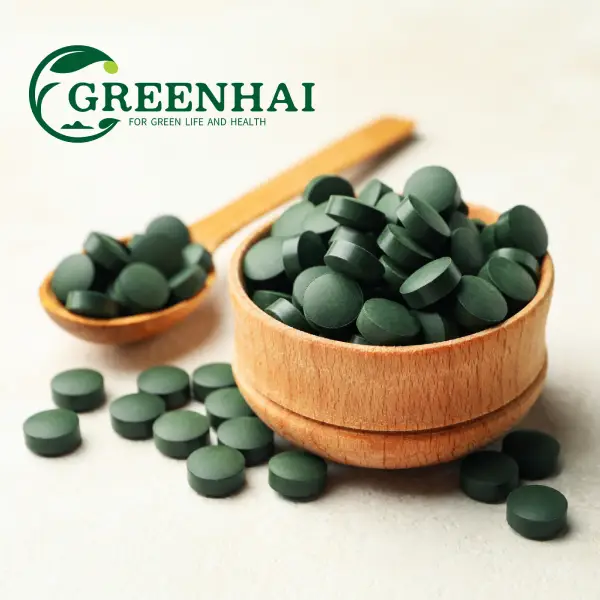
Greenhai Nutritionals is a good supplier and distributor of nutritional ingredients and food additives. We mainly source and introduce China made products to global customers. Spirulina as a kind of superfood, we sincerely recommend this great supplement to everyone in the world.
Introduction
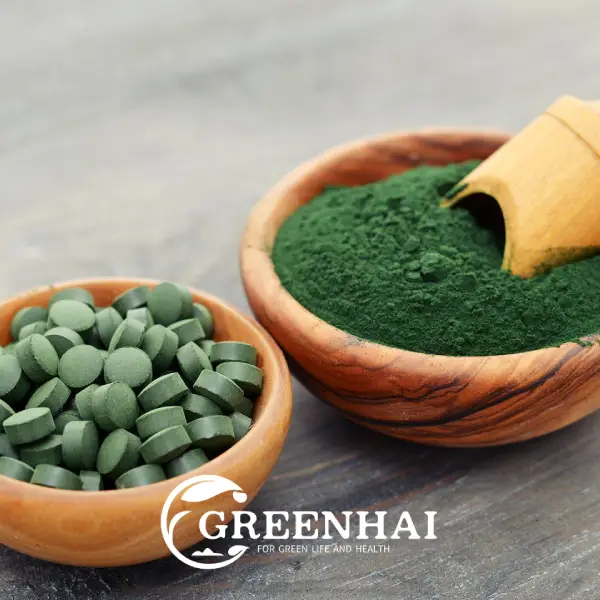
Spirulina—a nutrient-dense blue-green microalga scientifically known as Arthrospira platensis. It has emerged as one of the most sought-after ingredients in the global nutraceutical, food, and beverage industries. Recognized as a “highly digestible protein product,” spirulina has even been used as a dietary supplement for astronauts.
This comprehensive guide let you know about spirulina—from market size and growth projections to cultivation methods, nutritional composition, product forms, and commercial applications.
Global Spirulina Market Size & Growth Forecast
The global spirulina market is experiencing robust growth, driven by increasing consumer demand for plant-based proteins, functional nutrition, and clean-label ingredients.
Key Market Figures:
The spirulina market is valued at USD 0.84 billion in 2026 and is projected to reach USD 1.27 billion by 2031, growing at a CAGR of 8.58%.
According to Persistence Market Research, the market is estimated at USD 667.1 million in 2025, with projected value reaching USD 1,043.5 million by 2032 (CAGR of 6.6%).
Other industry reports estimate the market at USD 522.6 million in 2025, expected to reach USD 884.6 million by 2032.
Regional Market Distribution:
Asia-Pacific leads with 40–45% of global market share, driven by China’s dominant production capacity and growing domestic consumption.
North America holds 25–30% market share, with the United States leading in dietary supplement consumption.
Europe accounts for 20–25%, with Germany, France, and the UK as key markets emphasizing health beverages and vegan nutrition.
Key Market Drivers:
Rising demand for plant-based protein: 23% of Americans reported following a high-protein diet in 2025, making it the most popular dietary choice.
Expanding supplement consumption: 39.1% of consumers in Poland regularly used dietary supplements.
Natural food colorant applications: Spirulina-derived phycocyanin is increasingly replacing synthetic blue dyes in beverages, confectionery, and dairy products.
Premium organic segment growth: Organic spirulina is rapidly emerging as one of the fastest-growing segments, particularly in the US, Germany, France, Japan, and South Korea.
China’s Dominant Production Role:
China dominates global spirulina production, accounting for 70–80% of global supply, with key production regions in Inner Mongolia, Yunnan, and Jiangxi contributing over 90% of the country’s output. More than 70% of Chinese production is exported to the EU, US, and Japan.
Spirulina Growth Environment & Cultivation Conditions
Spirulina is a cyanobacterium that thrives in highly alkaline environments with specific conditions that optimize biomass yield and nutritional quality.
Optimal Cultivation Parameters:
| Parameter | Optimal Range |
|---|---|
| pH | 8.6 – 9.95 (alkaline) |
| Temperature | 25 – 30°C |
| Light | High solar radiation preferred |
| Water Depth | 12–15 cm (open raceway ponds) |
| Salinity | Tolerant to seawater with 300 mM NaCl |
Spirulina can be found in diverse environments including soil, swamps, fresh water, salt water, and seawater. Global production is largely concentrated in regions with high solar radiation and warm temperatures that favor biomass productivity.
Cultivation Systems:
Two primary cultivation systems are used commercially:
1. Open Raceway Ponds
More preferable for commercial large-scale cultivation due to lower capital costs and ease of maintenance–. These shallow ponds (12–15 cm depth) are typically operated under greenhouse structures.
2. Closed Photobioreactors (PBRs)
Offer advantages in contamination control, product purity, and scalability. Technological advancements in photobioreactor cultivation are improving product purity and commercial profitability.
Light availability is a crucial factor affecting spirulina’s photoautotrophic growth, and advancements in LED illumination have enhanced chlorophyll-a, phycocyanin, and carotenoid production.
Spirulina Production Process
The commercial production of spirulina involves a multi-stage process that requires careful quality control to preserve nutritional integrity.
Production Workflow:
Step 1: Cultivation
Spirulina is cultivated in optimized open raceway ponds or closed photobioreactor systems, ensuring uniform growth, high biomass yield, and reduced microbial contamination. Nutrient ingredients are maintained at regular intervals with monitoring of total alkalinity and water depth.
Step 2: Harvesting
Biomass is harvested when optimal density is reached, typically using mechanical methods such as disc-stack centrifuges or inclined screens.
Step 3: Washing
Harvested spirulina is thoroughly washed with water to remove impurities and culture medium residues.
Step 4: Drying
Drying is a critical step that affects final product quality:
Spray drying (typically at 80–110°C) is preferred for human consumption-grade products.
Drum drying is more suitable for animal feed-grade biomass.
Solar drying offers lower energy consumption but requires optimal weather conditions.
The drying method significantly impacts nutritional components and bioactive compound retention. Spray drying at optimized temperatures preserves phycocyanin and protein content while ensuring food safety.
Nutritional Value & Bioactive Composition
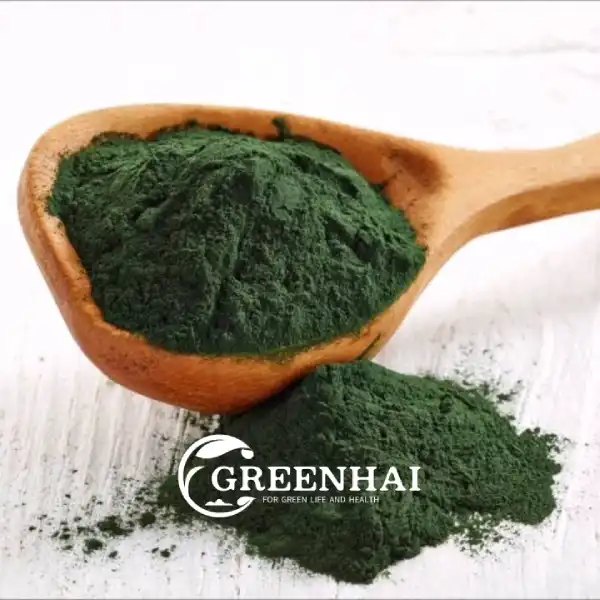
Spirulina is recognized as one of the most nutrient-dense foods on the planet. Its exceptional nutritional profile makes it a premium ingredient across multiple industries.
Macronutrient Composition (per dry weight):
| Component | Percentage |
|---|---|
| Protein | 50–70% |
| Carbohydrates | 15–20% |
| Lipids | 6.4–14.3% |
Protein Quality
Spirulina contains approximately 55–70% protein along with all essential amino acids, making it one of the most complete plant-based protein sources commercially available. The FDA has designated spirulina as a “super food” due to its high nutritional value.
Key Bioactive Compounds:
Phycocyanin (94.9–251 g/kg) – a blue pigment-protein with potent antioxidant and anti-inflammatory properties.
Beta-carotene (0.02–2.3 g/kg) – a precursor to vitamin A with antioxidant activity.
Total carotenoids (0.3–26 g/kg).
Gamma-linolenic acid (12.9–40.1% of total fatty acids) – a rare essential fatty acid.
Total chlorophylls (1.2 g/kg).
Vitamin Profile (mg/kg):
| Vitamin | Content Range |
|---|---|
| Vitamin B1 (Thiamine) | 5–50 |
| Vitamin B2 (Riboflavin) | 30–46 |
| Vitamin B3 (Niacin) | 130–150 |
| Vitamin B6 | 4–50 |
| Vitamin B9 (Folate) | 0.3–99.2 |
| Vitamin B12 | 0.06–3.1 |
| Vitamin E | 24.6–750 |
| Vitamin K | 22 |
Mineral Profile (mg/kg):
| Mineral | Content Range |
|---|---|
| Iron | 106–1,800 |
| Calcium | 230–14,000 |
| Magnesium | 770–4,000 |
| Potassium | 6,400–29,100 |
| Zinc | 0.4–40 |
| Manganese | 13–550 |
Health Benefits & Clinical Evidence
Spirulina’s bioactive compounds exhibit a wide range of biological activities that have been validated through clinical research.
Key Health Benefits Supported by Clinical Studies:
1. Immunomodulatory Activity
Regular consumption of spirulina enhances both innate and adaptive immunity by increasing the activity of NK cells, macrophages, and T lymphocytes.
2. Antioxidant & Anti-inflammatory Effects
The antioxidant and anti-inflammatory activity is largely determined by high phycocyanin and carotenoid content–. A meta-analysis of randomized clinical trials demonstrated that spirulina supplementation significantly reduced inflammatory biomarkers including CRP, interleukin-6, and TNF-α, while increasing total antioxidant capacity.
3. Cardiovascular Health
Spirulina has demonstrated improvements in lipid profile, insulin sensitivity, and systemic inflammation–. In healthy elderly individuals, silicon-enriched spirulina supplementation improved high-normal blood pressure and vascular function.
4. Metabolic Health
Studies have shown that spirulina supplementation combined with exercise reduces serum asprosin and improves appetite and energy balance in men with obesity and overweight.
5. Emerging Clinical Applications
Recent trials suggest spirulina may improve MS-related energy, mobility, and cognition, with evidence of reduced oxidative stress and enhanced antioxidant activity–. Research is also exploring its potential in managing metabolic syndrome, cardiovascular diseases, and other chronic conditions.
Commercial Product Forms & Dosage
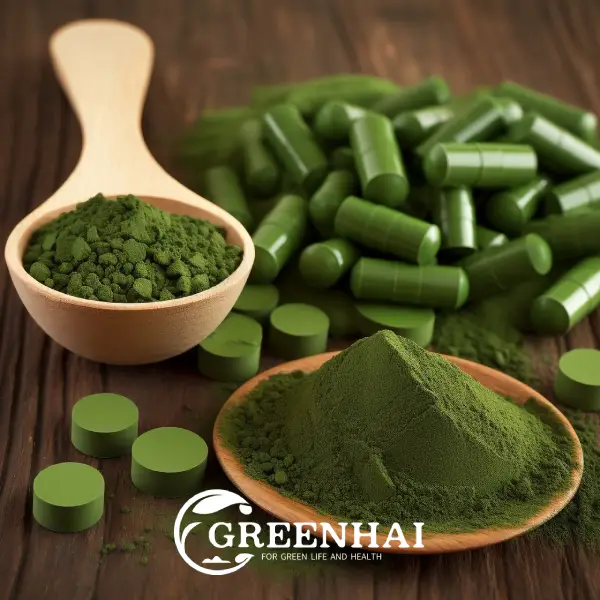
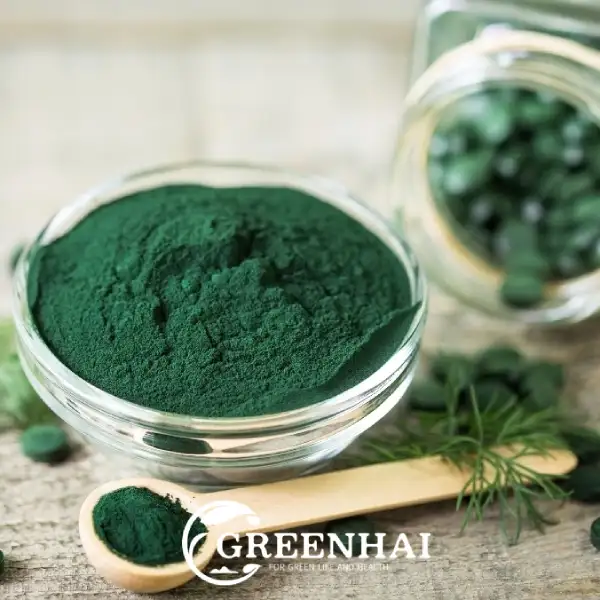
Spirulina is available in multiple product forms to suit diverse manufacturing and consumer needs–.
Available Product Forms:
| Form | Description | Common Applications |
|---|---|---|
| Powder | Bulk raw powder, versatile for formulation | Protein powders, smoothies, functional beverages, food fortification |
| Tablets | Typically 500 mg & 250 mg per tablet | Dietary supplements, convenient daily intake |
| Capsules | Typically 520 mg per capsule | Dietary supplements, easy swallowing |
| Flakes | Dried biomass in flake form | Smoothie additions, food toppings |
| Gummies | Chewable supplement format | Mainstream retail, consumer-friendly |
| Ready-to-Drink Beverages | Wellness beverages | Convenience segment, fitness consumers |
| Phycocyanin Extract | Natural blue pigment | Food coloring, beverages, confectionery |
Typical Dosage Recommendations:
Standard daily intake: 2,000–3,000 mg (2–3 grams) per day, divided throughout the day.
One serving: 3 grams (approximately 6 tablets of 500 mg, 6 capsules of 520 mg, or 1 level teaspoon of powder).
Higher doses: 4–10 grams daily are most effective for improving lipid profiles.
Emerging Trends & Market Opportunities
1. Natural Food Colorants
Phycocyanin, the natural blue pigment extracted from spirulina, is increasingly replacing synthetic blue dyes in beverages, confectionery, dairy products, and frozen desserts. Regulatory scrutiny of artificial food dyes in North America and Europe is accelerating this shift.
2. Premium Organic Spirulina
Organic spirulina is one of the fastest-growing market segments. Consumers increasingly prefer non-GMO, pesticide-free, and sustainably cultivated algae-based ingredients. Certified organic spirulina powder commands a 35–55% price premium over conventional grades–. Premium organic and high-phycocyanin grades can command price premiums of 40–60% over standard grades.
3. Sports Nutrition & Functional Foods
Spirulina is being widely incorporated into protein powders, energy bars, meal replacements, dairy alternatives, and functional beverages. The growing interest in preventive healthcare and active lifestyles is accelerating consumption of spirulina-based immunity boosters, detox products, and sports nutrition supplements.
4. E-commerce & Direct-to-Consumer
E-commerce platforms are playing a critical role in accelerating adoption of branded premium spirulina products globally.
5. Cosmetic & Personal Care
The cosmetic industry is beginning to embrace spirulina for its anti-aging and skin-rejuvenating properties.
Why Source Spirulina from Greenhai Nutritionals?
As a professional raw material trading company specializing in nutritional ingredients export, Greenhai Nutritionals offers:
Premium Quality Assurance – Strict quality control throughout cultivation, harvesting, and drying processes
Competitive Pricing – Direct sourcing from major production regions
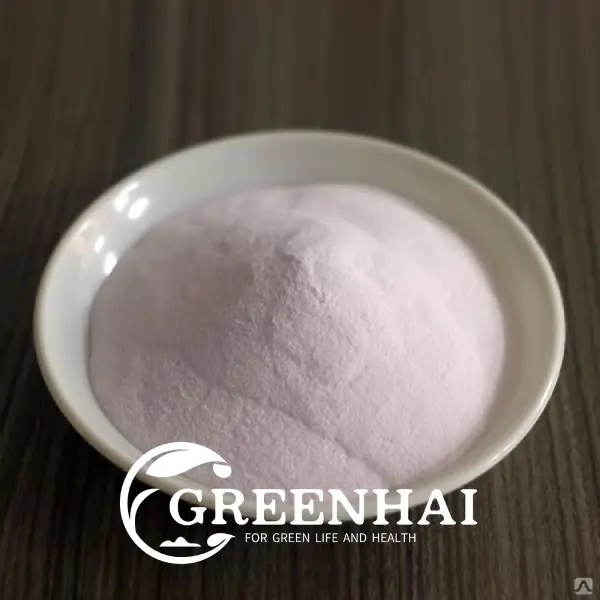
Flexible Product Forms – Powder and tablets formulations
Organic & Conventional Options – Certified organic grades available with full traceability
Global Export Capabilities – Reliable shipping to North America, Europe, Asia-Pacific, and beyond
Regulatory Compliance – Products meet international food safety and quality standards
Contact Us
Ready to source high-quality spirulina for your business? Contact our team today for product specifications, pricing, and samples.
We look forward to being your trusted spirulina supplier for the global market.
Keywords: spirulina bulk supplier, spirulina powder export, organic spirulina, Arthrospira platensis, spirulina manufacturer, spirulina nutritional supplement, phycocyanin, natural blue food colorant, spirulina market, spirulina wholesale